
Protein per 100 calories
| Food | Protein per 100 kcal |
|---|---|
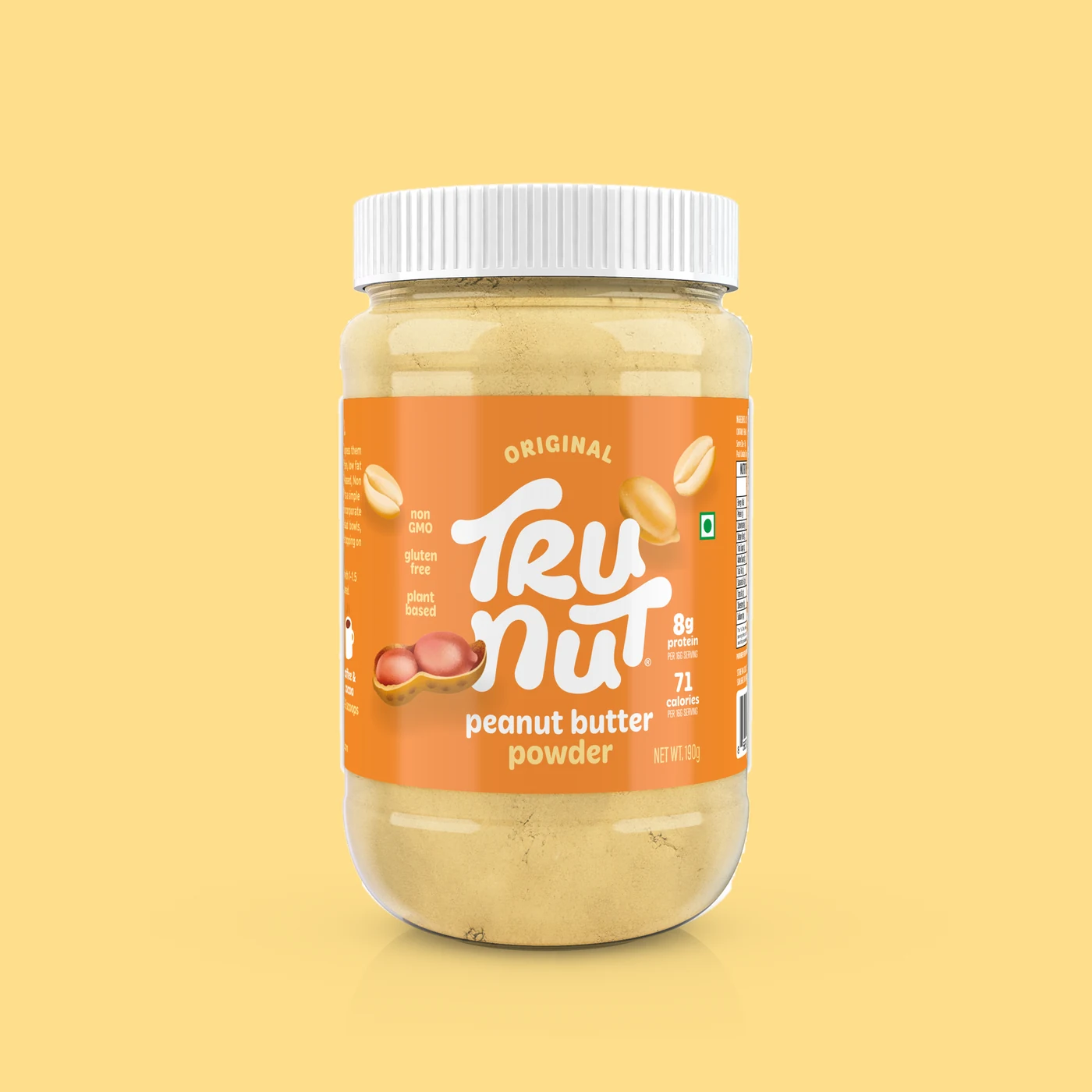
| Tru-Nut peanut powder | ~11.7 g |
| Regular peanut butter | ~4 g |
| Roasted peanuts | ~4.5 g |
| Paneer | ~6–7 g |
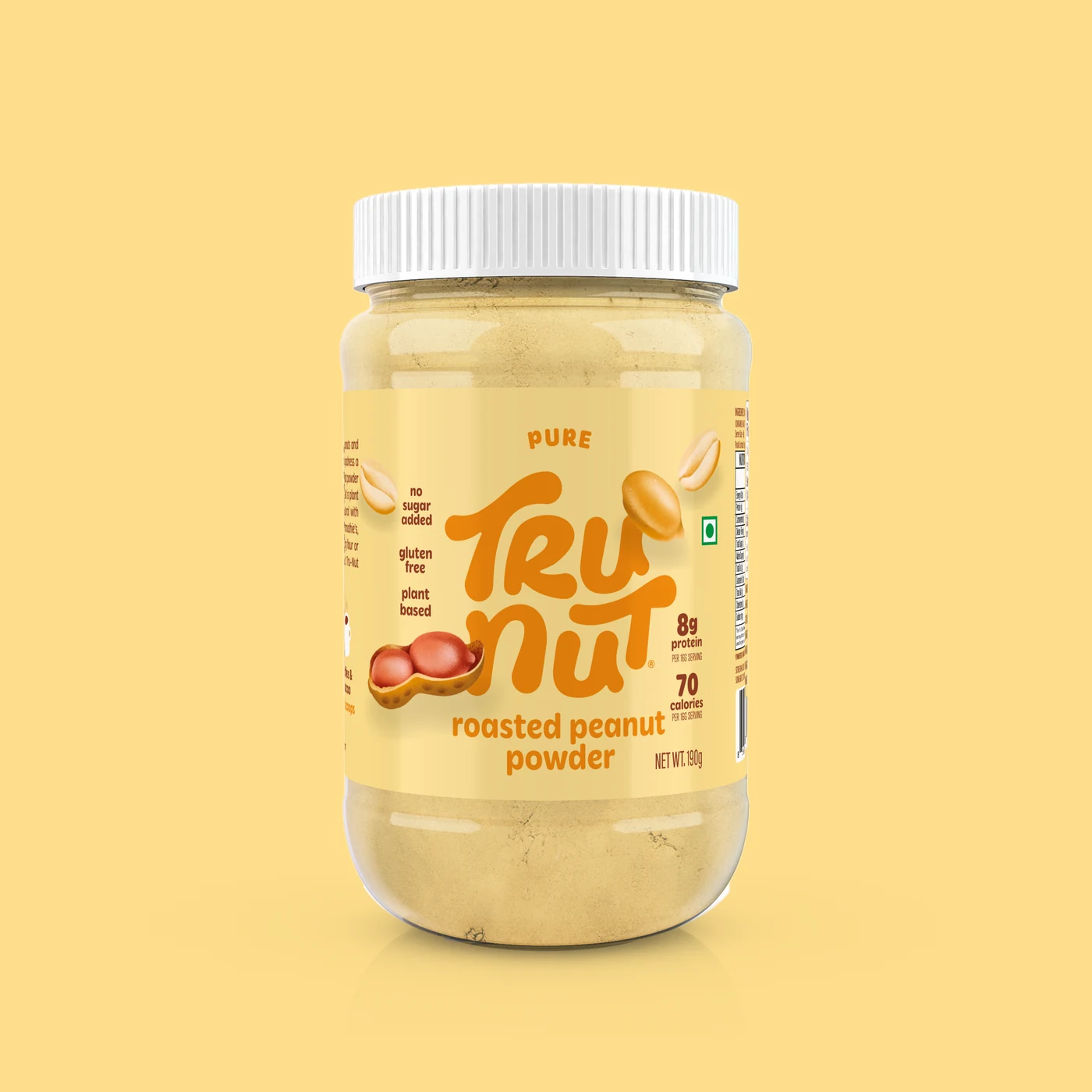
Approximate values; check individual labels. Tru-Nut figures are from the Indian pack (8.3 g protein, 71 kcal per 16 g).
How people use it
- Post-workout shake: 2 tbsp in milk or curd with a banana. Add a scoop of your usual protein for more.
- Flavour without the fat: peanut-butter taste on toast or fruit at about a third of the calories.
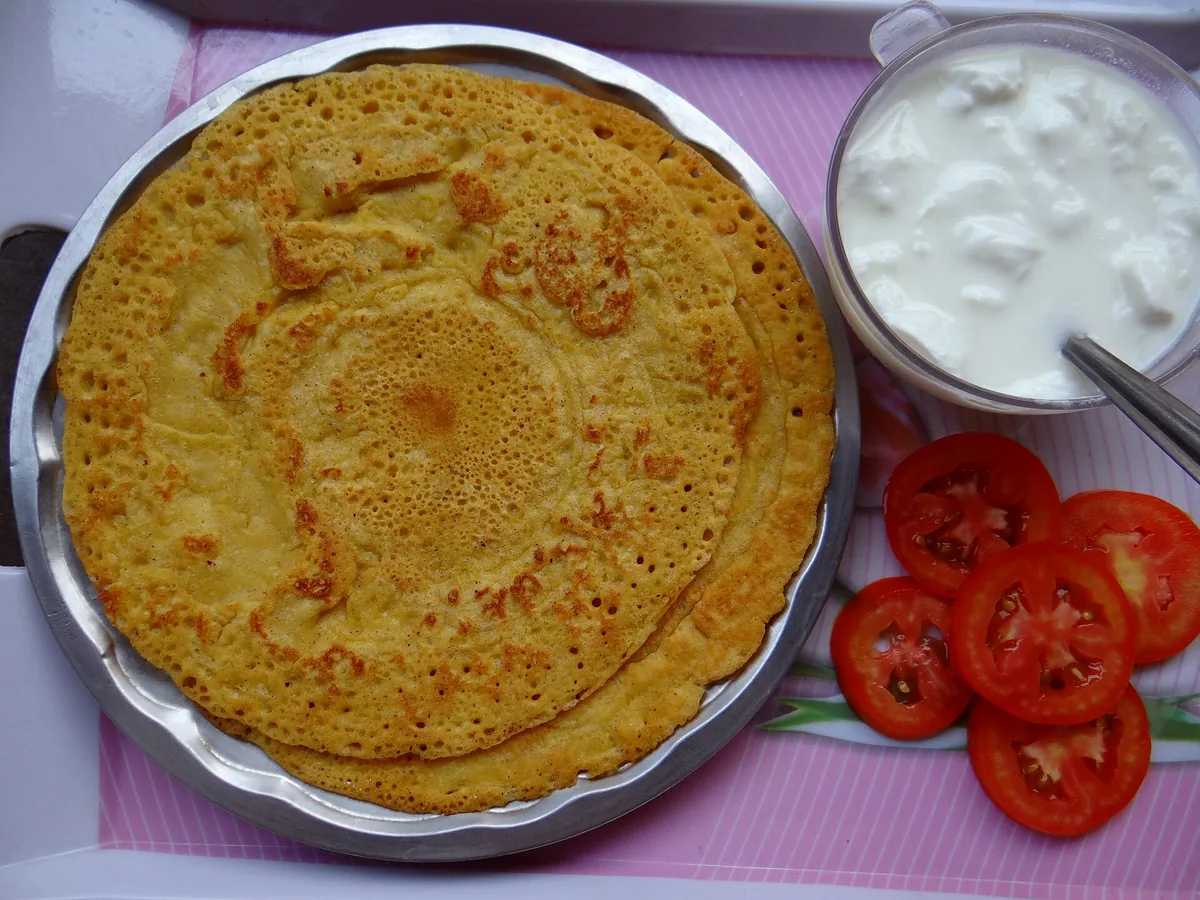
- Vegetarian protein top-up: stir into dal, poha, chilla batter or roti dough.
- Portion control: a measured dry spoon is easier to stick to than a dollop of peanut butter.
What it won't do
No single food causes weight loss or muscle gain. Peanut powder is useful because it makes good choices taste better at fewer calories. Pair it with an overall diet and training plan that fits you, and speak to a doctor or registered dietitian for personal advice, especially if you have a medical condition.
Pick your jar
Counting added sugar? Choose Pure: 0 g added sugar. Want it to taste like dessert-style peanut butter in a shake? Choose Original.
Frequently asked questions
Is peanut powder good for weight loss?
It has far fewer calories than peanut butter for the same protein, so it can help you enjoy peanut flavour while managing calories. Weight loss depends on your overall diet and activity, not one food.
Can peanut powder replace protein powder?
It adds 8 g of protein per serve, which is less than a typical whey or plant protein scoop. Many people use it alongside protein powder for taste and extra protein.
Is peanut protein complete?
Peanut protein is low in the amino acid methionine. Pairing it with cereals, dairy or other pulses through the day (very common in Indian meals) balances it out.
Nutrition values are from Tru-Nut India pack labels; other figures are typical values. This article is general information, not medical advice. Tru-Nut contains peanuts.